Botswana vs South Africa: Which Is the Better Safari Destination?
Botswana and South Africa are Africa’s two most sophisticated safari destinations — but they are fundamentally different experiences. Botswana (and the Okavango Delta specifically) delivers ultra-exclusive, remote wilderness with extraordinary wildlife density and the world’s most intact elephant ecosystem; South Africa delivers accessibility, variety, and a highly developed infrastructure at more accessible price points. The best choice depends on what you want from your safari and what you’re prepared to spend.
The Case for Botswana (Okavango Delta)
- Low-volume, high-value model: Botswana’s government policy has consistently prioritised low visitor numbers and high daily fees — the result is that you rarely encounter more than 1–2 other vehicles at any wildlife sighting, even at prime locations. This is fundamentally different from South Africa’s more accessible (and often more crowded) parks.
- Wildlife density and diversity: The Okavango-Chobe-Linyanti ecosystem supports some of the highest wildlife densities in Africa, particularly for elephant (130,000 in Botswana), wild dog (25–30% of global population), and hippo. The diversity of habitats within a single Okavango itinerary — water, land, floodplain, woodland — produces exceptional variety.
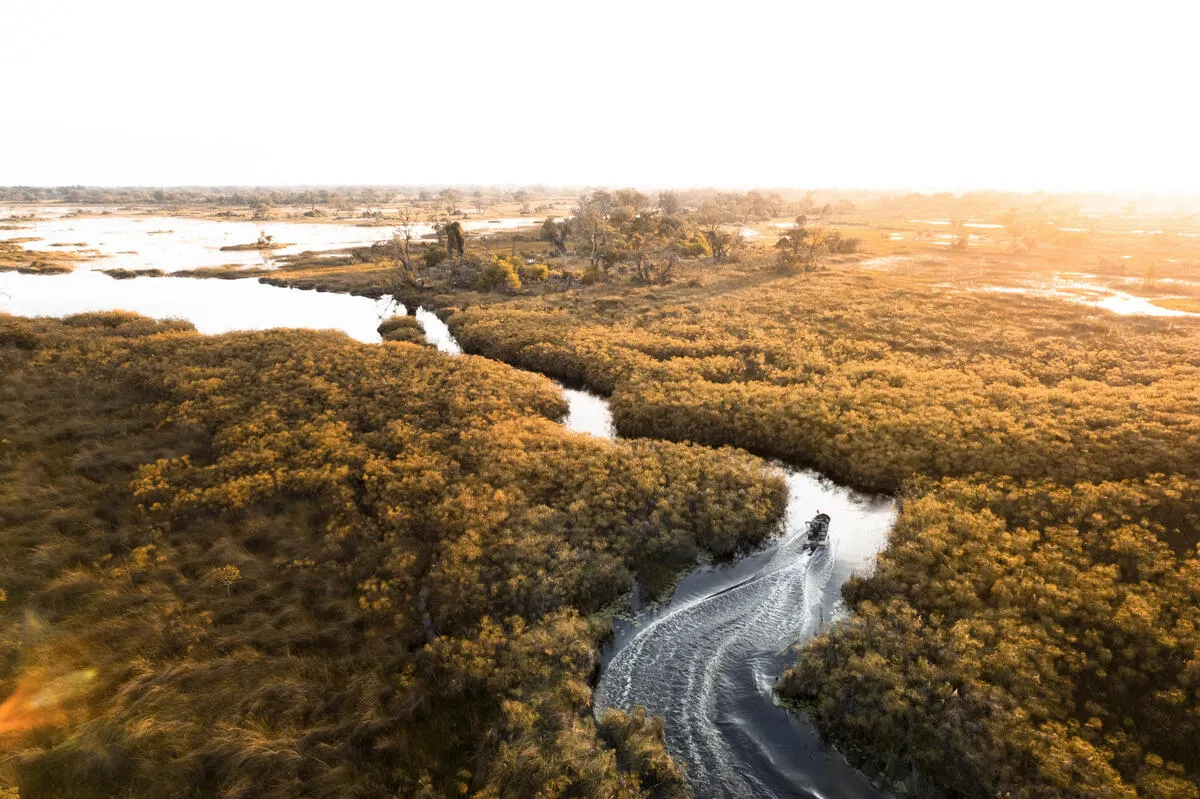
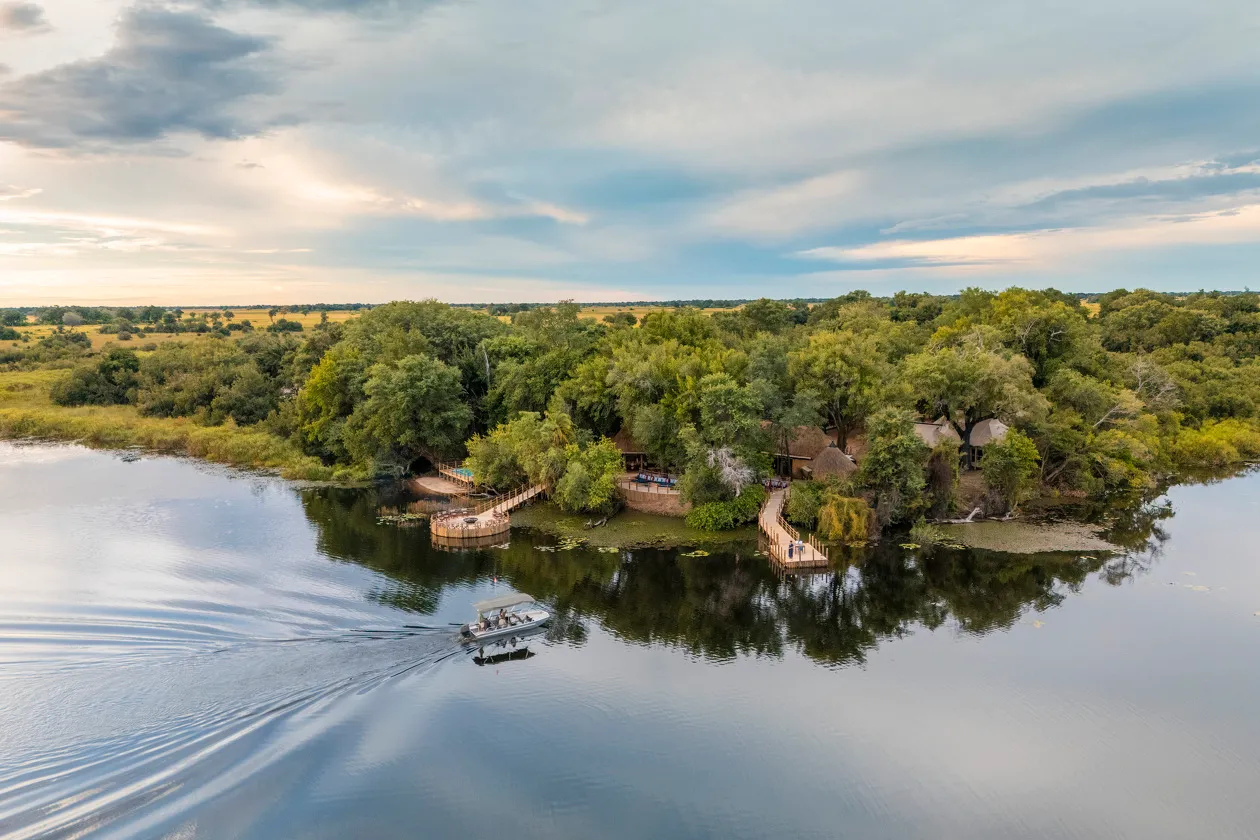
- Water-based safari: The Okavango Delta’s mokoro and boat safaris are unique — no other major African safari destination offers this combination of terrestrial game drives and water activities in the same package.
- Wilderness integrity: The Okavango Delta is a UNESCO World Heritage Site. The Botswana government’s conservation record is among Africa’s strongest — poaching is minimal compared to many other countries.
- Wild dog: Botswana offers the best wild dog viewing in Africa. South Africa’s wild dog population is very small and fragmented.
The Case for South Africa
- Accessibility and infrastructure: South Africa’s safari destinations are easily accessible from major hubs (Johannesburg, Cape Town). Excellent roads, multiple daily flights, and world-class airports make logistics straightforward. Botswana requires a connection through Maun, which has fewer services.
- Malaria-free options: South Africa has excellent malaria-free Big Five reserves (Madikwe, Pilanesberg, Eastern Cape private reserves) — not available in Botswana, where all major wildlife areas are malaria zones.
- Price: A quality South Africa safari (Sabi Sand, Kruger private lodges) is 30–50% less expensive per night than equivalent Botswana camps. Budget safari options barely exist in Botswana.
- Variety: South Africa’s size and diversity allow you to combine a Sabi Sand leopard safari with Cape Town and the Winelands, Kruger self-drive, and Garden Route in a single itinerary — variety that no single Botswana destination can match.
- Leopard viewing: The Sabi Sand Game Reserve offers the world’s best habituated leopard — Botswana’s leopards are present but far less reliably or closely encountered.
Choosing Based on Your Priorities
| Priority | Choose |
|---|---|
| Exclusive, low-volume safari | Botswana (Okavango) |
| Wild dog viewing | Botswana (Moremi/Khwai) |
| Mokoro / water safari | Botswana (Okavango) |
| Leopard viewing | South Africa (Sabi Sand) |
| Malaria-free Big Five | South Africa (Madikwe, Eastern Cape) |
| Best value for quality | South Africa |
| Family with young children | South Africa (malaria-free options) |
| First safari | Either — both excellent first destinations |
Many serious safari travellers do both on a single trip: Botswana first (Okavango + Chobe, 6–8 nights) followed by South Africa (Sabi Sand + Cape Town, 5–7 nights) for a complete southern African experience. For combined itinerary design, enquire with African Safari Group.