The best time to visit the Okavango Delta depends on what you want to experience: the annual flood (April–June, when the delta transforms from dry land to a vast water wilderness), the peak wildlife season (July–October, when floodwaters recede and animals concentrate on shrinking islands), or the green season (November–March, with exceptional birding and lush landscapes). Most first-time visitors choose July to October — the prime wildlife window — when the delta is flooded, game viewing is at its most intense, and both mokoro and boat safaris are possible alongside traditional game drives.
Best Time to Visit the Okavango Delta
The Okavango Delta operates on a unique and counter-intuitive seasonal cycle. Unlike most African wildlife destinations where rains fall locally, the Okavango’s annual flood originates in the Angolan highlands — rainfall that fell months earlier travels thousands of kilometres down the Kavango River system before flooding the delta in the dry season (April–July). This means the Okavango floods during Botswana’s dry winter — creating one of Africa’s most extraordinary natural phenomena and one of its best wildlife viewing seasons.
The Annual Flood: When Does the Okavango Delta Flood?
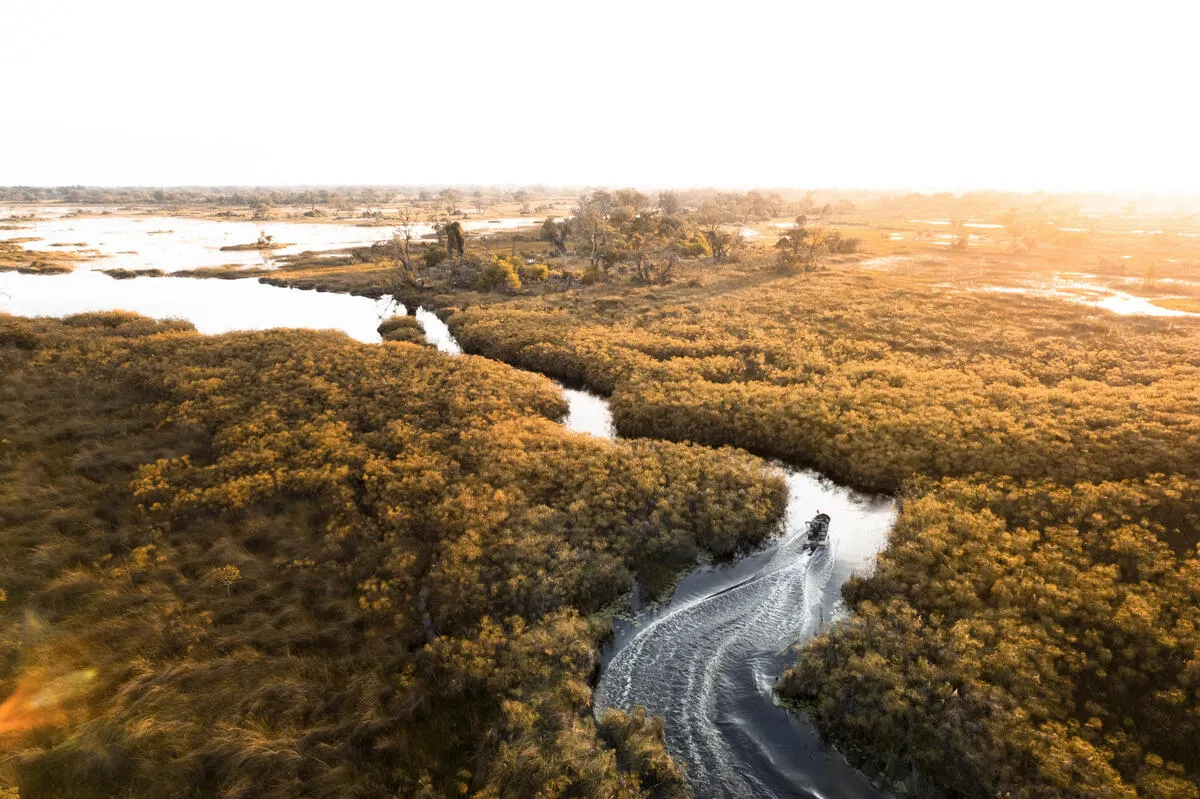
The annual flood typically arrives in the Okavango Delta between March and June, peaking in June–July. The flood originates as rain in the Angolan highlands (December–February), travels as a slow-moving surge through 250,000 km² of interconnected channels, and arrives in the delta at its driest — when Botswana is in the dry winter season. The flood transforms the delta’s character completely:
- Pre-flood (January–March): Delta is at its driest. Large areas of seasonally flooded grassland are accessible by vehicle. Excellent for elephant and buffalo on dry land. Fewer mosquitoes.
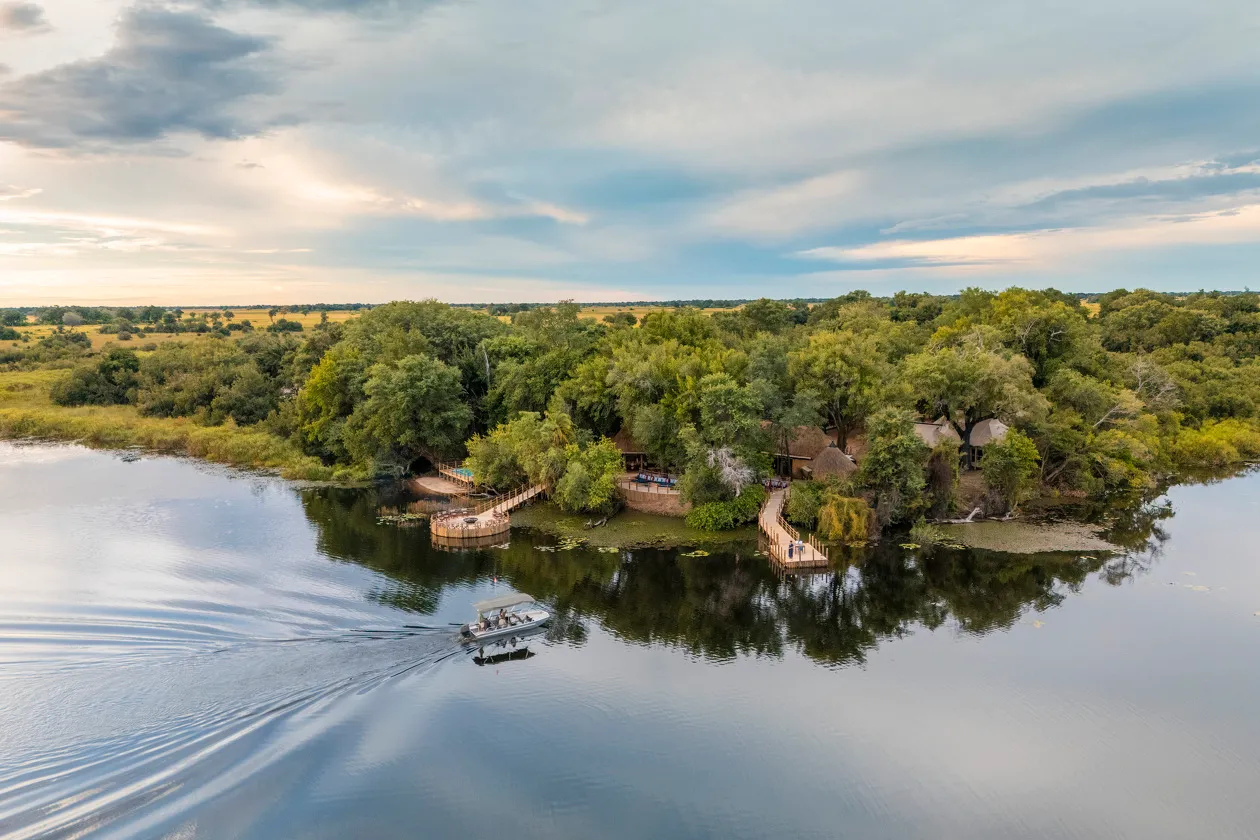
- Flood arrival (April–June): Water levels rise across the delta. Channels and lagoons fill. Mokoro and motorboat access becomes possible across large areas previously accessible only by vehicle or foot. A dramatic, beautiful transition — some consider this the most spectacular time to visit.
- Peak flood (June–August): The delta is at its highest water levels. Animals concentrate on raised islands — remarkable wildlife density. Game drives, boat safaris, and mokoro all operating simultaneously. Prime photography season.
- Receding flood (September–October): Water withdraws, concentrating fish — and the predators that follow them — in shrinking lagoons and channels. Extraordinary predator activity. One of the best periods for big cat sightings.
Month-by-Month Okavango Guide
January–March (Green Season)
Post-rains landscape — the delta’s permanent channels are active but seasonal flooding is minimal. Birding is exceptional: migratory species from Europe and the Middle East are present, plus breeding activity from resident species. 550+ bird species are active. Wildlife is harder to find in dense vegetation. Significantly lower lodge rates — often 40–50% below peak season. The quietest, most budget-friendly time to visit.
April–May (Flood Arrival)
Water levels rise through the system. The spectacular transition from dry to flood — watching the delta fill, channels reopening, and animals adapting to the changing water levels. April and May are increasingly popular with experienced visitors who appreciate the flood dynamics. Birding remains excellent. Game viewing improves through May as animals concentrate on rising islands. Moderate rates.
June–July (Peak Flood + Prime Wildlife)
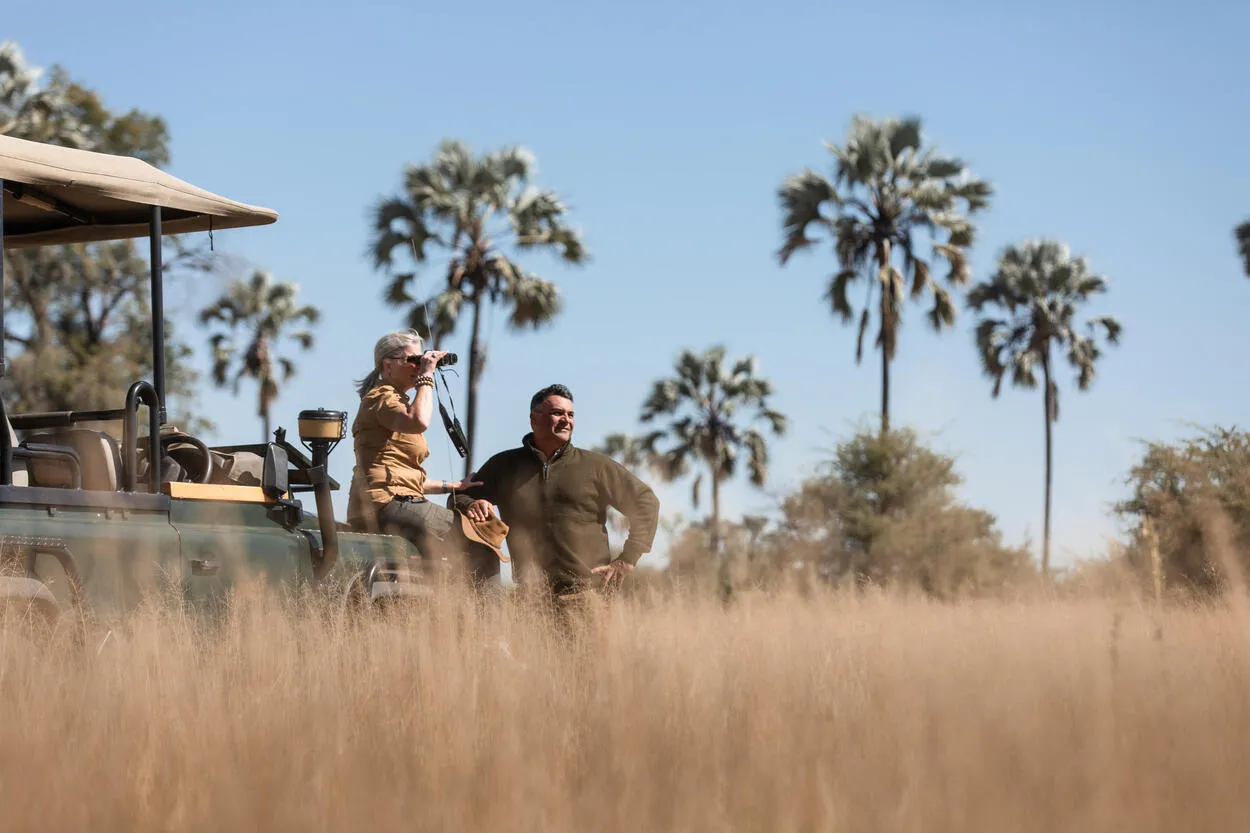
The sweet spot for most visitors. Flood at or near peak. Wildlife on islands in extraordinary concentrations. All activities available: game drives, mokoro, motorboats, guided walks, night drives. Cool to cold temperatures (14–26°C) — ideal for game drives. Dry, clear skies. Highest lodge rates; book 12+ months ahead for top camps.
August–October (Receding Flood + Intense Predators)
One of the best periods for predator activity in all of Africa. Receding waters concentrate fish and frogs — which attract wading birds and fish eagles in spectacular numbers — and stranded prey animals in shrinking pools surrounded by predators. Lion, leopard, wild dog, cheetah, and spotted hyena all extremely active. August and September are particularly intense. Game drives are the primary activity as water levels allow vehicle access to previously flooded areas.
November–December (Early Green Season)
Rains begin arriving. Vegetation turns green. Birding excellent. Wildlife disperses somewhat as water sources become widespread. Rates drop 30–40%. A beautiful, lush, and underrated time to visit for experienced travellers.
Plan Your Okavango Delta Visit at the Right Time
Our team plans Okavango Delta safaris for all seasons and knows the nuances of each camp’s specific performance at different flood levels. We’ll advise on the right timing for your wildlife priorities — whether it’s peak flood season, predator concentration season, or exceptional birding.
Enquire Now to plan your Okavango Delta safari at the optimal time of year.